When Is the Best Time to Pour Concrete in Washington?
If you are planning a new driveway, patio, or slab, one of the smartest questions you can ask is when the work should happen.
The best time to pour concrete in Washington is during the dry summer window, roughly late June through September, when Southwest Washington sees warm days, low rainfall, and stable ground conditions. For homeowners in Vancouver and across Clark County, timing is not a small detail. It shapes how well the concrete cures, how the finished surface looks, and how long the installation lasts.
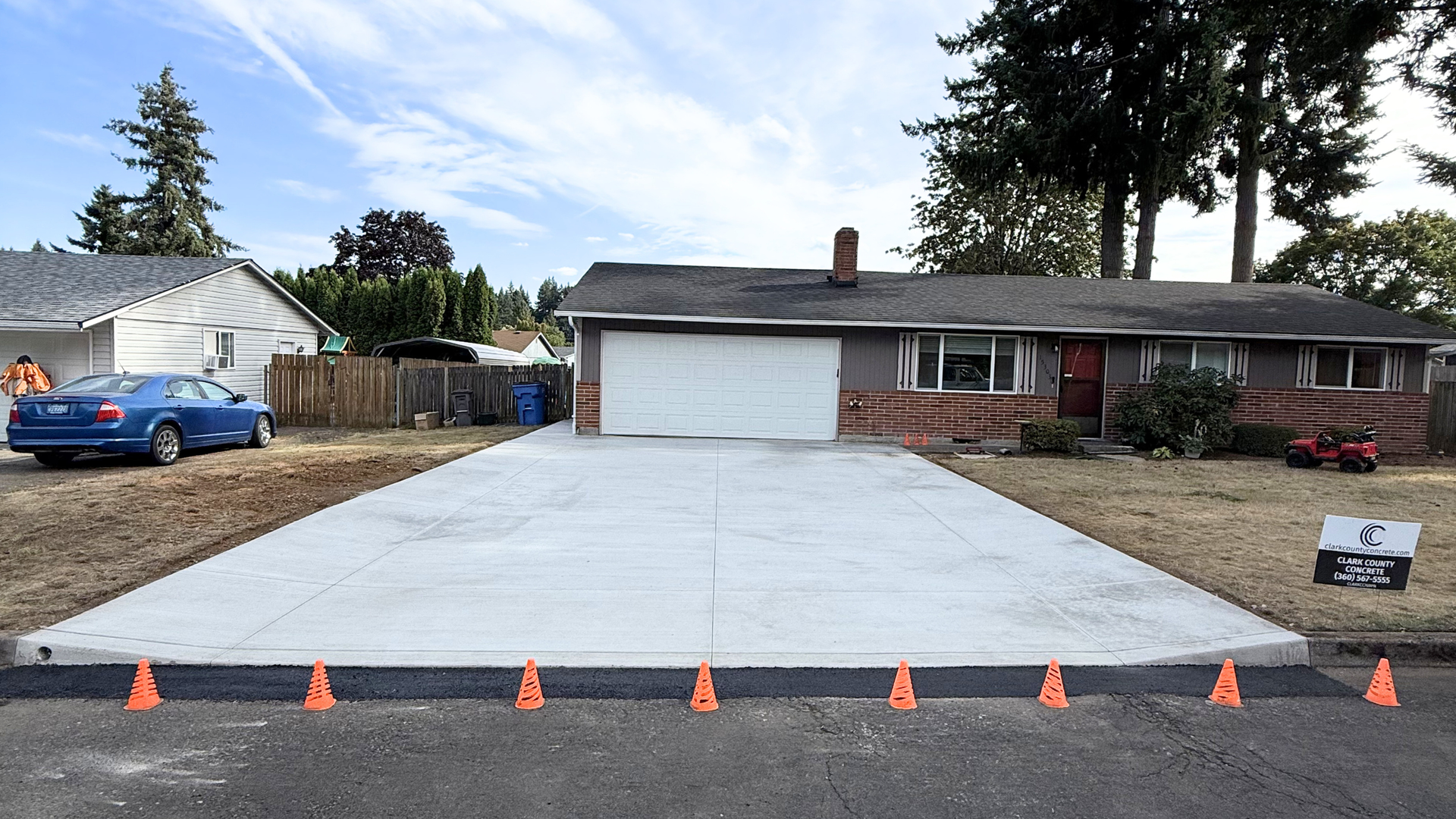
Concrete does not simply dry. It cures through a chemical reaction that needs the right temperature and moisture to build full strength. Our local climate, with wet winters and short dry summers, has a direct effect on that process. This guide walks through how the seasons play out here, what a good contractor watches for, and how to plan your project so the pour lands in the right window.
Why Timing Matters More in the Pacific Northwest
Concrete can technically be poured in almost any season, but the conditions on pour day and during the days that follow decide the quality of the result. Two factors matter most: temperature and moisture.
When concrete is placed, it goes through curing, the reaction between cement and water that hardens the mix and builds strength over time. If it is too cold, that reaction slows down and the concrete can freeze before it gains strength, which weakens the finished slab. If it is too hot and dry, the surface can lose water too fast, leading to surface cracking known as plastic shrinkage cracking. And if the ground and the mix hold too much water from rain, the surface can suffer from excess bleed water, which affects finish quality and durability.
Here in Southwest Washington, our climate creates a clear rhythm. Winters are cool and wet. Summers are warm and dry. That pattern is exactly why the pouring season here is narrower than in drier parts of the country, and why a local crew that understands it can make a real difference in the outcome.
Washington's Climate and the Concrete Calendar
Vancouver and the surrounding Clark County area sit in a mild, four-season climate with a strong wet-dry split. The region averages around 42 inches of precipitation a year, but that rain is not spread evenly. Most of it falls between October and May, while the summer months stay genuinely dry. July is the driest month of the year, averaging well under half an inch of rain, while December is the wettest, often bringing 5 to 7 inches. Summer highs sit in the upper 70s to low 80s, and winter lows dip into the mid 30s.
That seasonal contrast is the core reason timing matters so much here. A pour that would be routine in July can become a real challenge in January. Here is how each season affects a concrete project in our area.
Summer: The Best Overall Window
Late June through September is the strongest stretch for pouring concrete in Washington. Rainfall is at its lowest, the ground is dry and stable, and daytime temperatures support steady, predictable curing. This is the window most homeowners should aim for, especially for larger projects like a full driveway or a big patio.
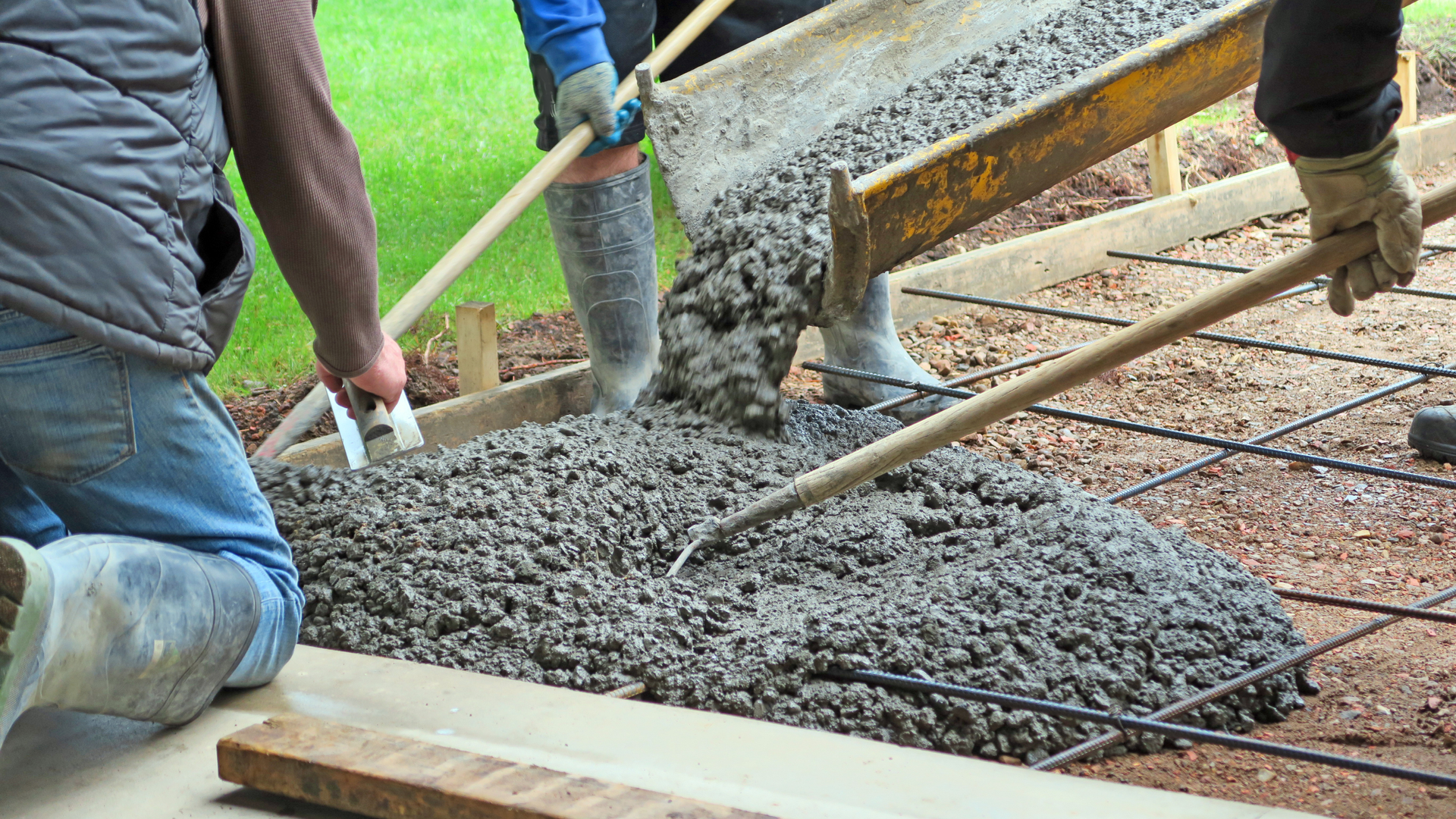
The main thing to watch in summer is heat and dryness. On the hottest, sunniest days, water can evaporate from the surface too quickly, which raises the risk of surface cracking. An experienced crew manages this by scheduling pours for cooler parts of the day, using proper curing methods, and keeping the surface moist as it sets. If you are planning a new concrete driveway installation, summer gives your crew the most control over the finish and the fewest weather surprises.
Spring: A Strong Second Choice With Caveats
Spring, roughly May into early June, can be a good time to pour as the rains taper off and temperatures climb. May is noticeably drier than the early spring months, and daylight hours stretch out, which helps curing.
The catch in spring is unpredictability. Early spring can still bring rain and cool, damp ground, and a saturated subgrade is a real problem for a quality pour. This is where proper excavation and site preparation earns its keep, since a well-graded, well-drained base can be the difference between a spring project that goes smoothly and one that has to wait. If you want to start early in the season, plan for some schedule flexibility in case a wet stretch pushes the pour back.
Fall: A Closing Window
Early fall, particularly September and often into early October, holds onto summer conditions longer than many people expect. September stays warm and relatively dry, which makes it a solid time to squeeze in a project before the wet season returns.
The risk in fall is the turn. Once mid to late October arrives, rain returns in earnest and temperatures start dropping. A pour scheduled too late in the fall can get caught by the first serious rains or by cold nights that slow curing. If you are aiming for a fall install, earlier is safer than later.
Winter: Possible, But the Hardest Season
Winter is the most challenging time to pour concrete in Washington, and for good reason. Cold temperatures slow curing, and if fresh concrete freezes before it gains enough strength, the finished slab can be permanently weakened. On top of that, our wet winters keep the ground saturated, which makes subgrade preparation and drainage far harder to control.
Winter pours are not impossible. Contractors use cold-weather methods such as insulated curing blankets, adjusted mixes, and careful scheduling around dry, milder stretches. Industry cold-weather guidance, including ACI 306, sets out how to protect concrete when temperatures drop. But these measures add cost and complexity, and the weather has to cooperate. For most homeowners, winter is a season to plan around rather than pour in, unless the project genuinely cannot wait.
Seasonal Timing at a Glance
The table below summarizes how each season affects a typical residential concrete project in the Clark County area.
| Season | Rain Level | Curing Conditions | Overall Rating for Pouring |
|---|---|---|---|
| Summer (Jun to Sep) | Very low | Excellent | Best window, ideal for large jobs |
| Spring (May to Jun) | Moderate, tapering | Good once dry | Strong, plan for schedule flexibility |
| Fall (Sep to Oct) | Low early, rising late | Good early, cooling late | Good early fall, riskier late |
| Winter (Nov to Feb) | High | Poor without protection | Challenging, needs cold-weather methods and adds cost |
What Temperature Is Actually Ideal for a Pour?
A common rule of thumb is that concrete cures best when ambient temperatures stay in a comfortable range, roughly the 50s to low 80s Fahrenheit, both during the pour and for several days after. That range keeps the curing reaction moving at a healthy pace without the extremes that cause problems.
Two thresholds are worth knowing. On the cold end, curing slows significantly as temperatures approach and drop below about 40 degrees, and freezing conditions in the first day or two can cause lasting damage. On the hot end, very hot, dry, or windy conditions speed up surface evaporation and raise the risk of shrinkage cracking. Cold-weather practice is guided by ACI 306 and hot-weather practice by ACI 305, both of which contractors use as benchmarks. In our area, these thresholds line up neatly with the calendar: summer sits comfortably in the ideal range, while deep winter regularly dips below the safe cold-weather line.
The Ground Matters as Much as the Sky
Air temperature and rain get most of the attention, but the ground underneath is just as important, especially here. A saturated or poorly drained subgrade can undermine even a perfectly timed pour. If the base is soft or holding water, the slab can settle or shift after it cures, which leads to cracking and uneven surfaces down the road.
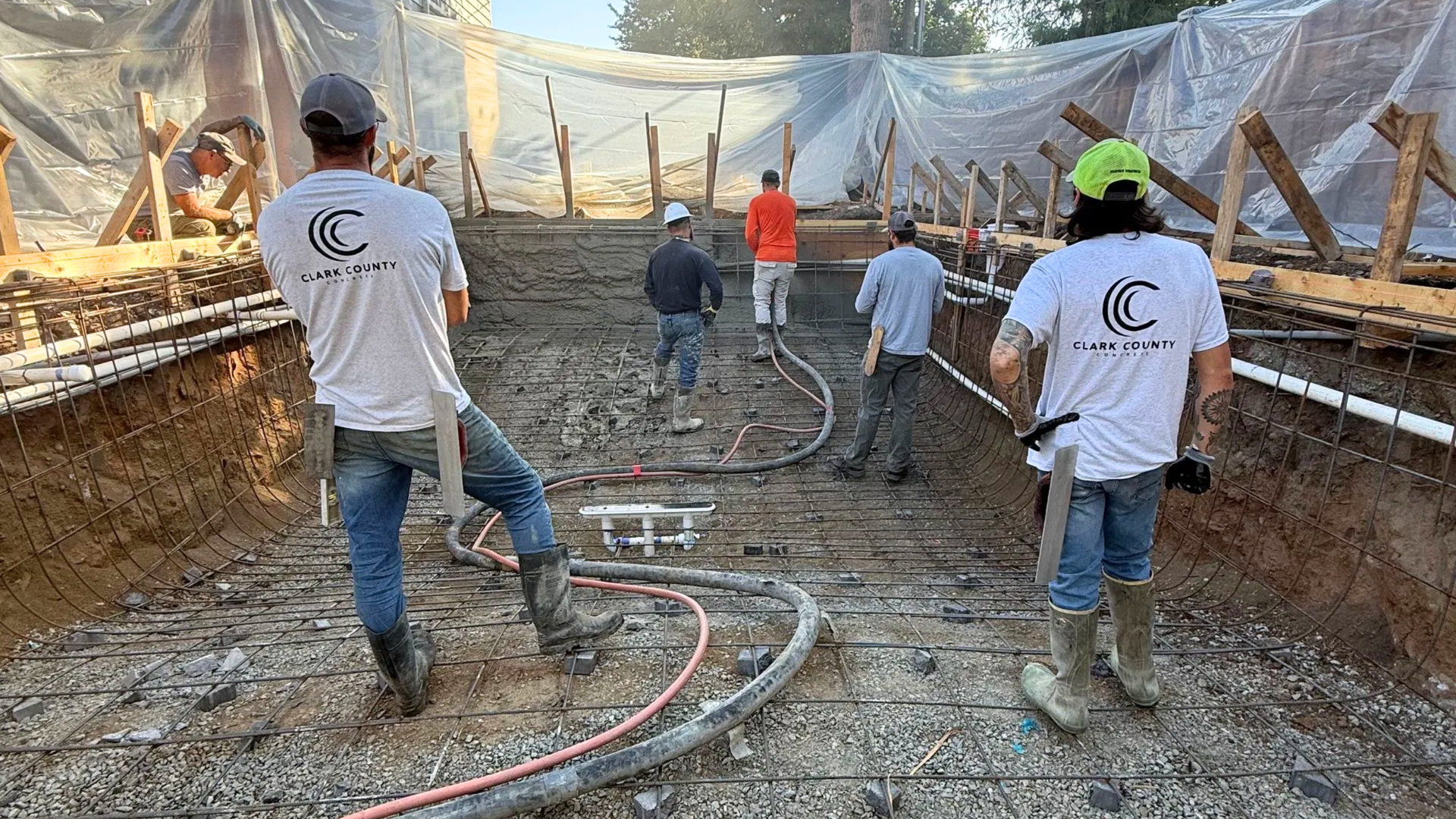
This is why preparation is not a step to rush. A quality crew evaluates soil conditions and drainage, then grades and compacts the base before any concrete is placed. In a wet climate like ours, that groundwork is often the deciding factor in how long a driveway or patio lasts. Getting the subgrade right in the dry season is far easier than fighting mud in the wet one, which is another reason the summer window is so valuable.
Planning Your Project Around the Right Window
Timing the pour is only part of the picture. Good concrete contractors book up during the summer season precisely because it is the best window, so the earlier you plan, the better your chances of landing the date you want.
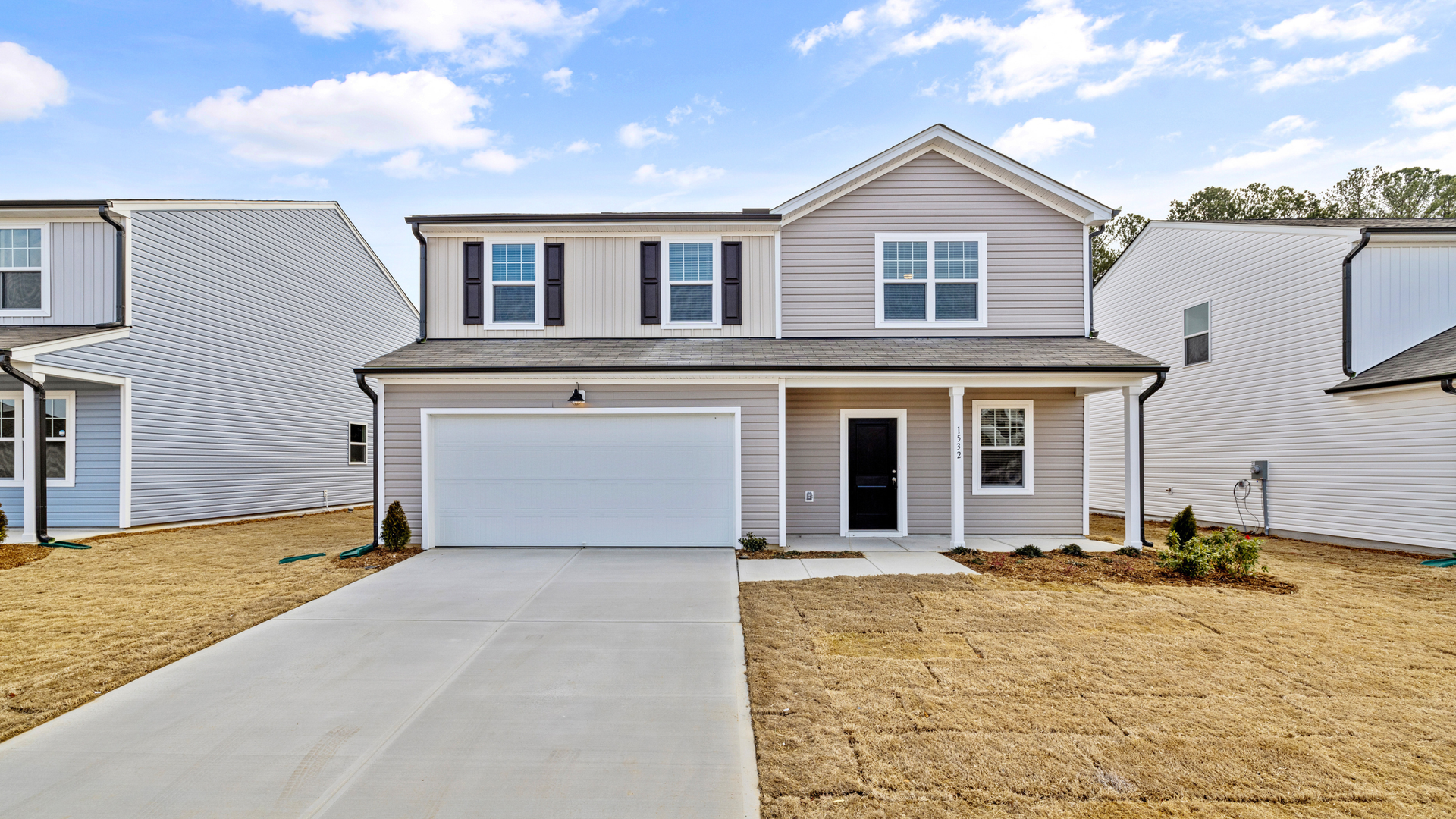
A practical approach looks like this. Reach out in late winter or early spring to get on the schedule. Use the slower, wetter months to finalize the design, layout, and budget. Then target the actual pour for the dry summer stretch. If you are budgeting a driveway, our guide to concrete driveway cost in Clark County breaks down what affects the total, and for outdoor living projects, the concrete patio cost guide does the same. Building in that lead time means you are not scrambling for a slot when the good weather arrives.
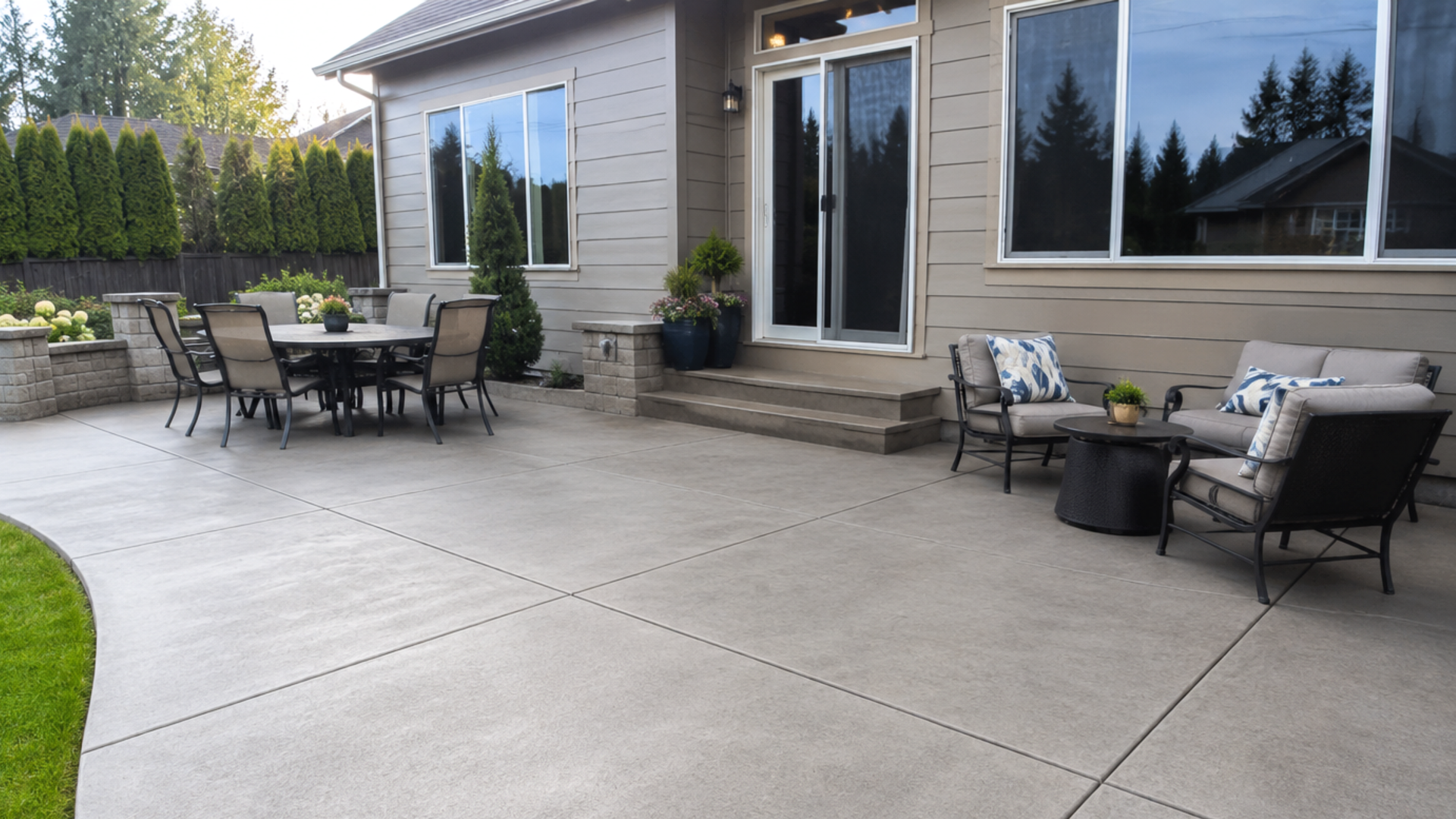
For homeowners weighing a new patio, the same seasonal logic applies. Summer gives your crew the best conditions to install concrete patios with clean finishes and reliable curing, so it is worth aligning the project with that window rather than forcing it into a wetter month.
Frequently Asked Questions
Can you pour concrete in the winter in Washington?
Yes, but it is the most difficult season. Cold temperatures slow curing and fresh concrete can be damaged if it freezes before gaining strength. Contractors use cold-weather methods like insulated curing blankets and adjusted mixes, following guidance such as ACI 306, but these add cost and depend on catching dry, milder stretches. For most homeowners, winter is a season to plan around rather than pour in.
What is the ideal temperature for pouring concrete?
Concrete cures best when temperatures stay roughly in the 50s to low 80s Fahrenheit during the pour and for several days after. Curing slows sharply as temperatures approach freezing, and very hot, dry conditions can cause surface cracking. In the Clark County area, the summer months fall comfortably within this ideal range.
Is summer really the best time to pour concrete in Clark County?
For most projects, yes. Late June through September brings the lowest rainfall, dry and stable ground, and temperatures that support steady curing. It is the strongest window for larger jobs like driveways and full patios, which is also why local crews book up quickly for those months.
How does rain affect a concrete pour?
Rain during or shortly after a pour can add excess water to the surface, affecting the finish and weakening the top layer. A saturated subgrade before the pour is also a problem, since it can lead to settling and cracking later. This is why the dry summer season, paired with proper site preparation, produces the most reliable results in our area.
How far in advance should I schedule my concrete project?
Because summer is the busiest and best season, it helps to reach out in late winter or early spring. That lead time lets you finalize the design and budget during the slower months and reserve a pour date in the dry summer window before the schedule fills.
Plan Your Concrete Project With a Local Team
The best time to pour concrete in Washington comes down to working with our climate rather than against it. The dry summer window, roughly late June through September, gives your project the warm temperatures, low rainfall, and stable ground that concrete needs to cure well and last. Spring and early fall can work with some flexibility, while winter calls for extra methods and cooperative weather.
The other half of the equation is the crew. Local knowledge of Clark County soil, drainage, and seasonal patterns is what turns good timing into a durable, clean-finished result. If you are planning a driveway, patio, or slab, the team at Clark County Concrete can help you choose the right window and prepare the site correctly from the start. Request a free estimate to talk through your project and get on the schedule for the season that fits it best.