What Causes Concrete to Crack?
Most of it traces back to a handful of causes. Some are natural and cosmetic, others point to a problem in the mix, the timing, or the ground below. Knowing the difference helps you spot trouble early.
Shrinkage as Concrete Cures
Fresh concrete holds water, and as it leaves the mix, the slab shrinks slightly. Shrinkage is the single most common source of surface lines. Two versions are worth knowing:
- Plastic shrinkage: happens in the first hours when the surface dries too fast, often on hot or windy days
- Drying shrinkage: happens over weeks as the slab fully cures and loses moisture
Both are normal to a degree. Good timing, proper curing, and well-placed control joints keep this shrinkage from reaching the surface.
Soil Movement Below the Slab
The ground does more damage here than most homeowners realize. Clark County's expansive clay absorbs water and swells in the wet months, then contracts as it dries out. That constant movement flexes the slab until it splits.
A slab is only as stable as what sits under it. Without a compacted base and good drainage, soil movement telegraphs straight through to the surface. This is why real
excavation and site preparation matters so much here.
Freeze-Thaw and Surface Scaling
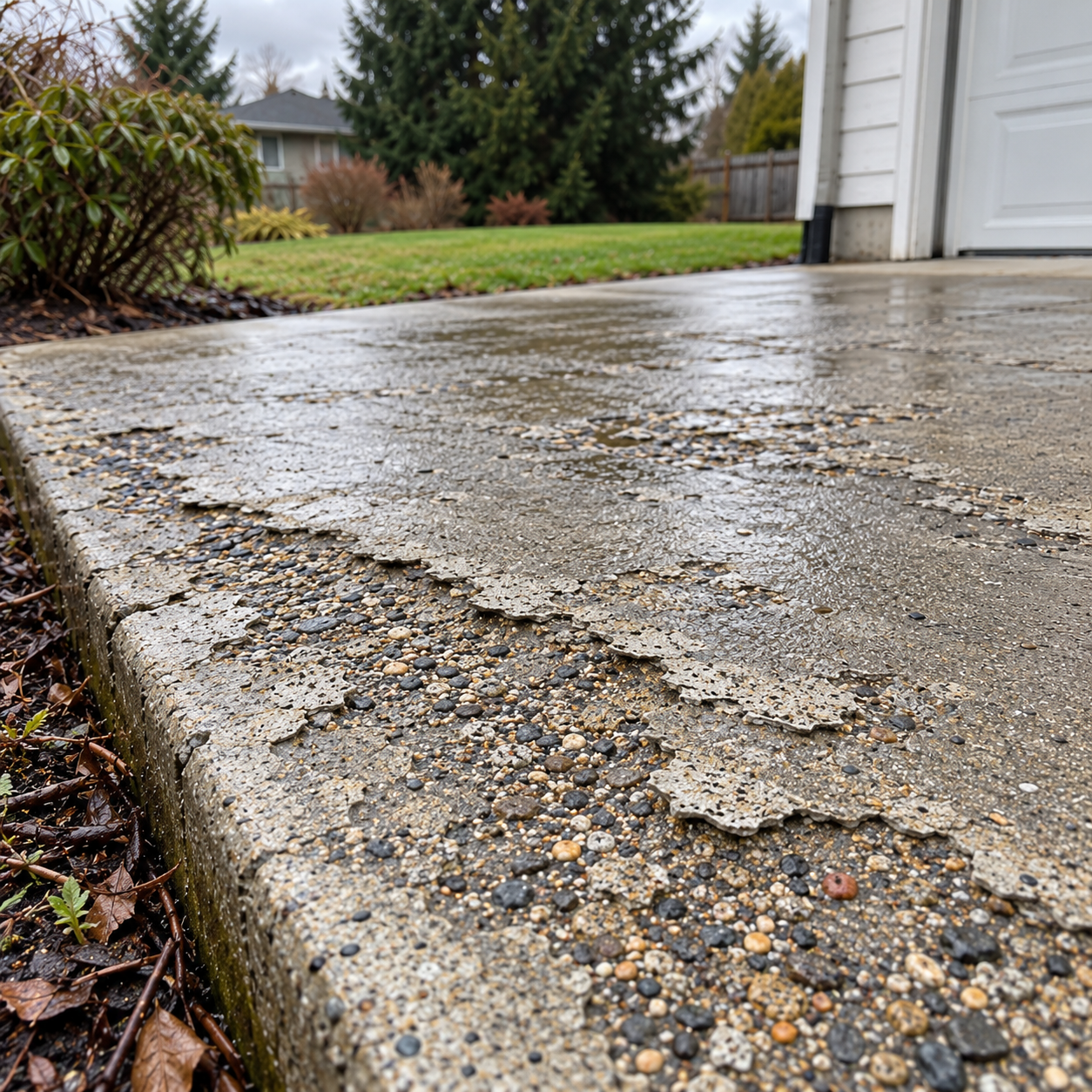
Concrete is slightly porous, so it absorbs moisture. When that moisture freezes, it expands and pushes from the inside. Our damp winters and occasional silver-thaw freezes repeat this cycle again and again.
Over several seasons, this flakes the surface away in a pattern called scaling or spalling. A proper mix, air entrainment, and good curing build the resistance a slab needs for our winters.
Too Much Water or Poor Curing
Two installation shortcuts weaken a slab and invite early damage:
- Overly wet mix: easier to pour, but dries weaker and splits more easily
- Rushed curing: a slab left to dry out too soon cures less dense and less durable
Neither is an act of nature. Both are avoidable with an experienced crew.
Missing or Poorly Placed Control Joints
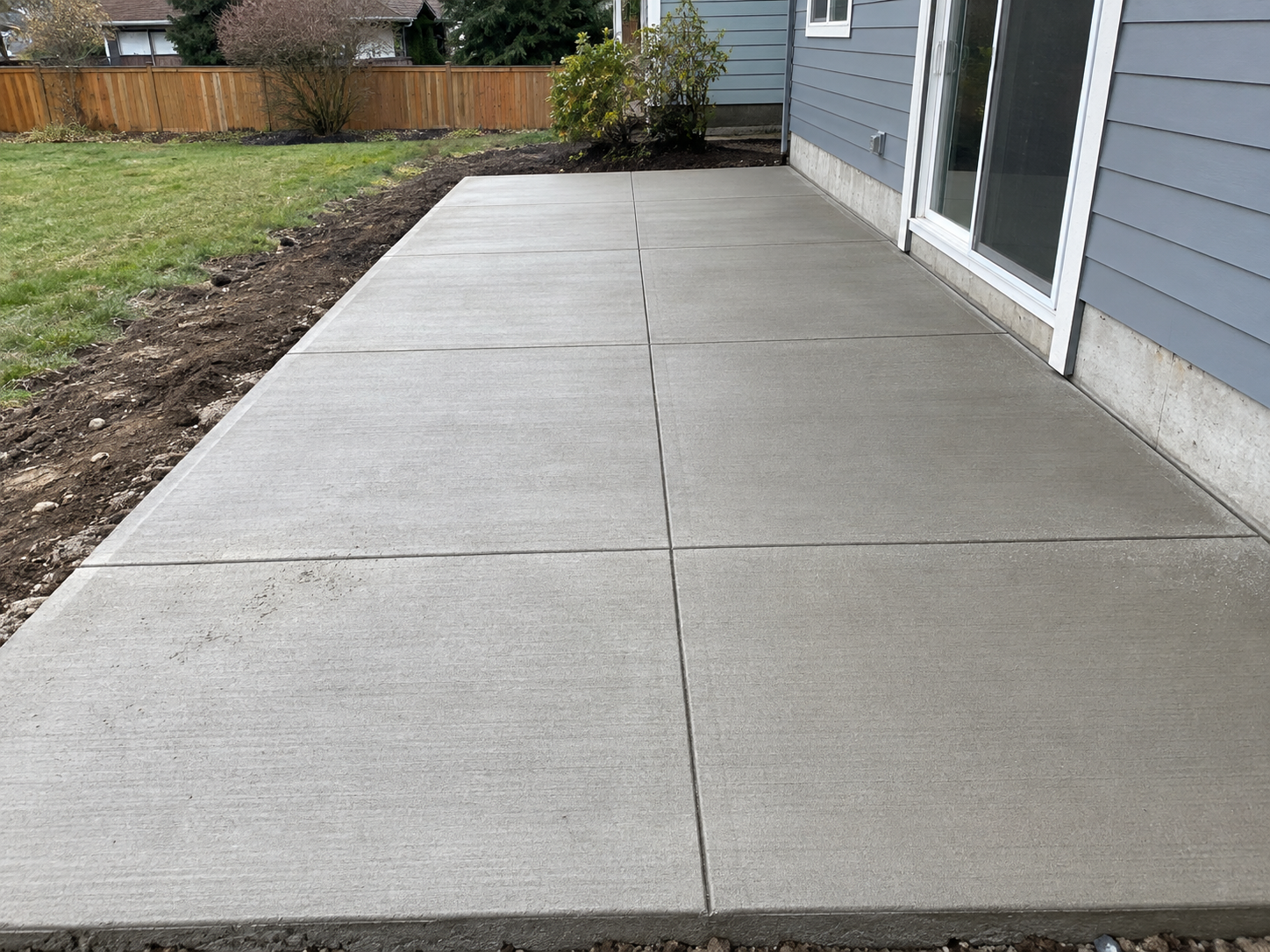
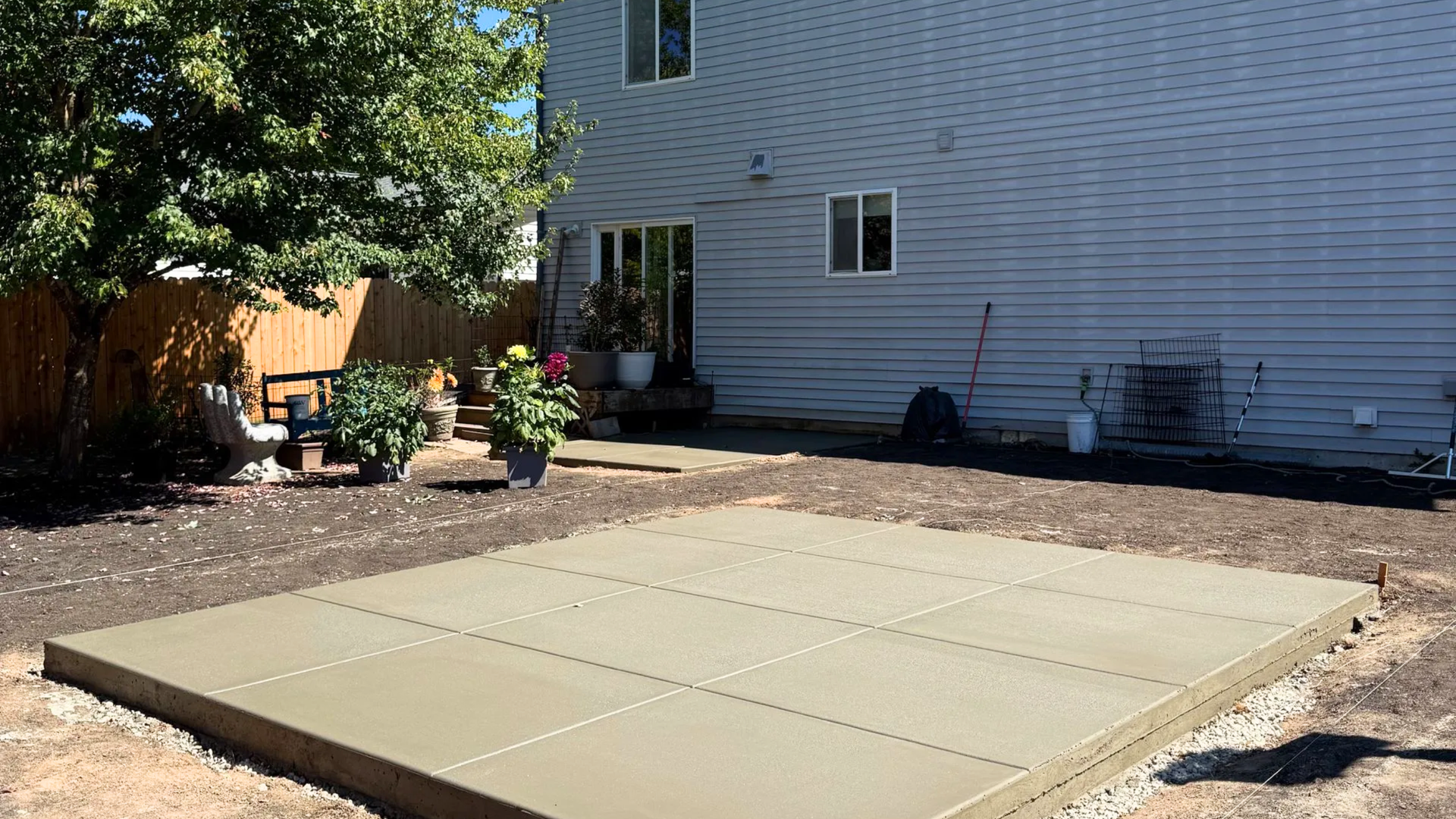
Control joints are planned grooves cut into a slab so it breaks along straight, hidden lines instead of randomly. Skip them or space them too far apart, and the slab decides where to fail on its own. Correct spacing, usually every 10 to 12 feet, keeps the damage out of sight.
Which Cracks Are Normal and Which Are Not?
Not every line is a red flag. Some are purely cosmetic, while others signal a structural issue worth a closer look. Here is a quick way to tell them apart:
- Usually harmless:
thin hairline lines, shallow surface marks, small gaps along control joints
- Worth watching:
anything wider than about an eighth of an inch, or lines that keep growing
- Call a pro: uneven slabs where one side sits higher, deep or active splits, or widespread surface flaking
When in doubt, have it looked at. Catching a settlement or drainage problem early is far cheaper than a full replacement later.
How Do You Prevent Concrete From Cracking?
You cannot stop every hairline line, but you can prevent the serious ones. Nearly all prevention happens before and during the pour. These steps matter most:
- Prepare the base:
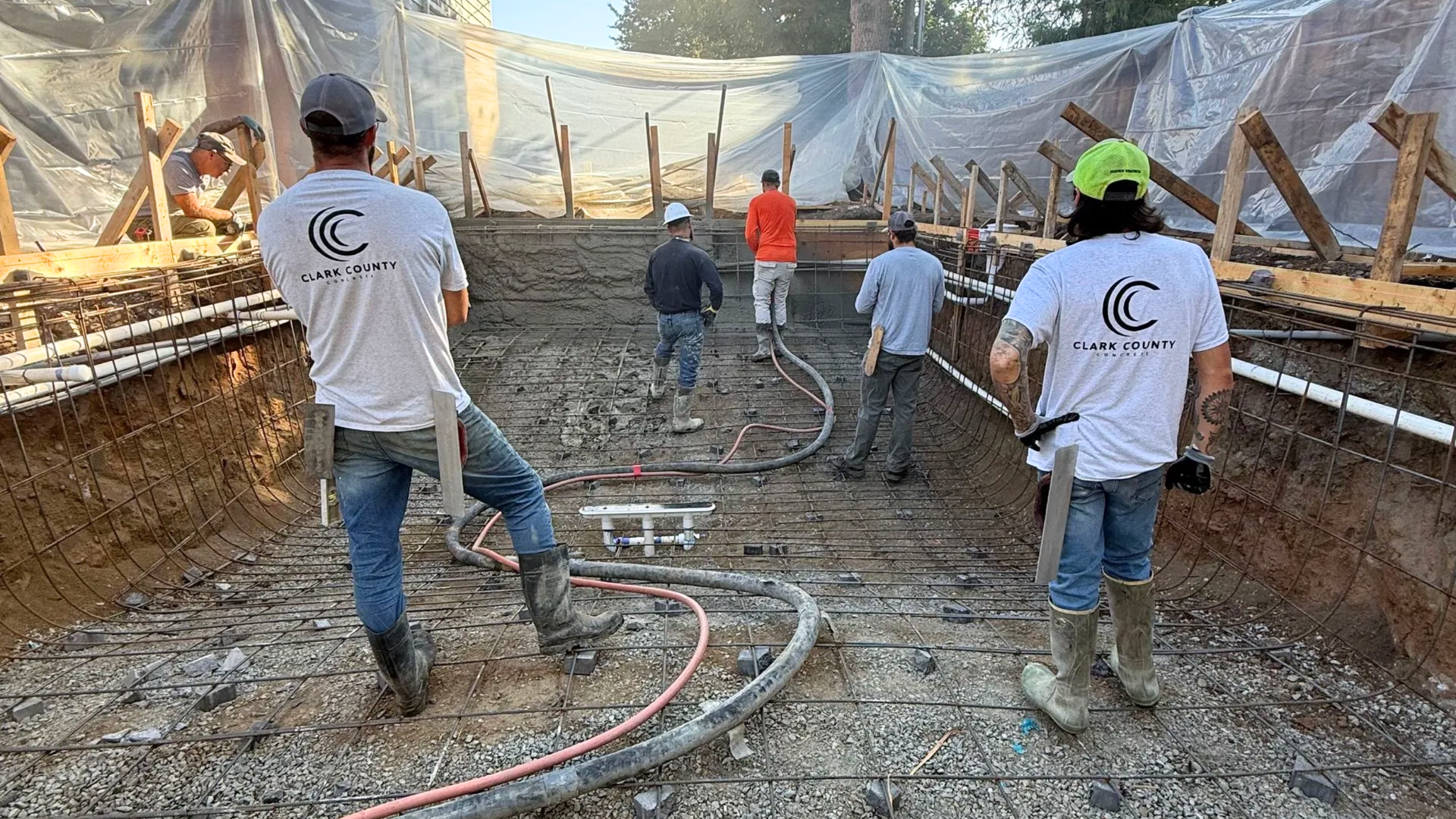
excavate to the right depth, then compact a gravel base and grade for drainage
- Use the right mix:
avoid an overly wet mix and match the strength to the job
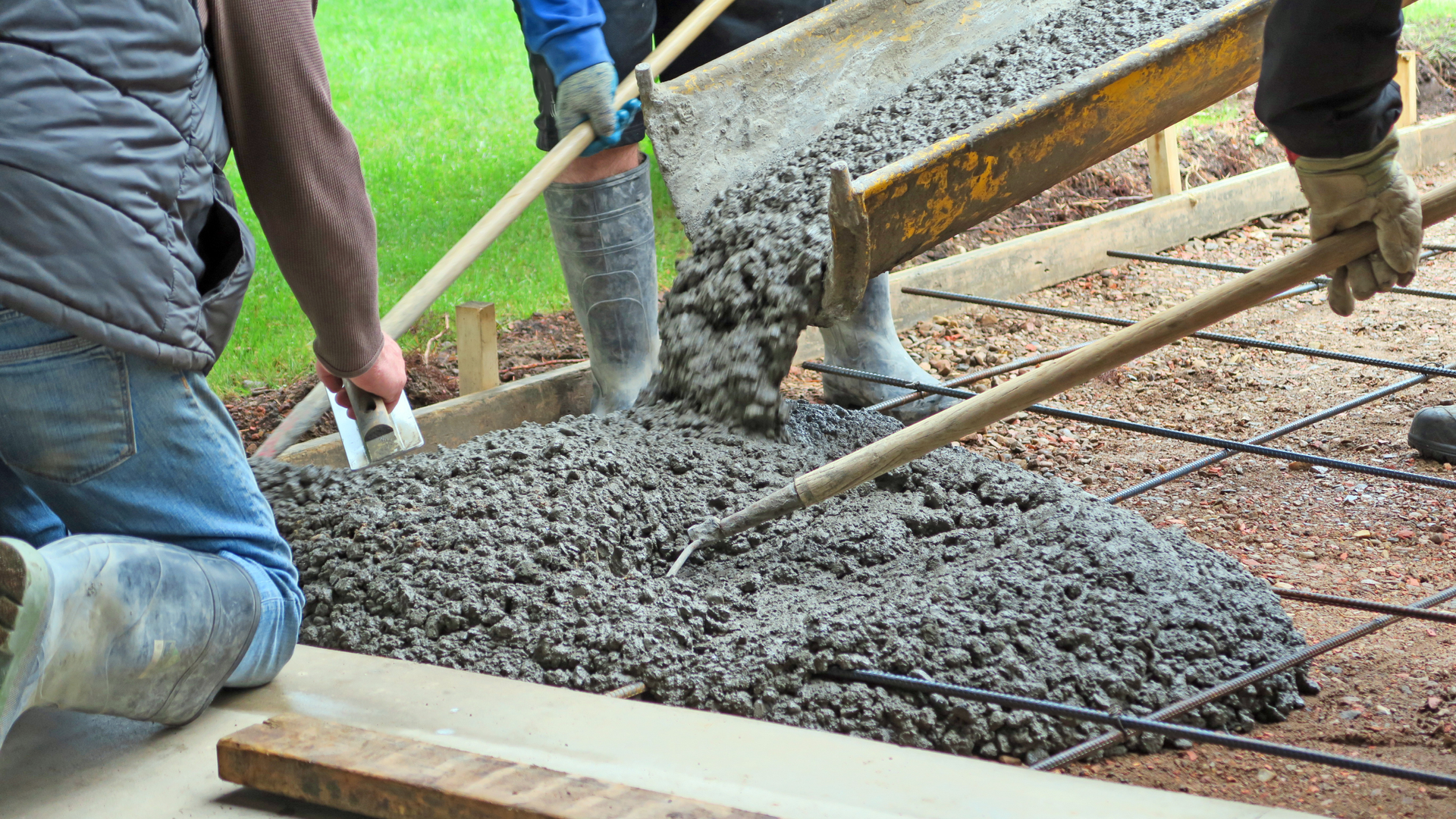
- Reinforce the slab: add rebar or wire mesh sized to the expected load
- Place control joints:
cut them at the correct depth and spacing within the first day
- Cure it properly:
keep the surface moist as it gains strength, longer in cool or dry weather
- Pour at the right time: aim for stable conditions, which ties directly to the
best time to pour concrete in Washington
Each step sounds simple, but skipping any one is where most preventable damage starts. That is the real difference between a weekend pour and professional work.
Why Local Experience Matters
Preventing damage in our climate takes more than a good mix. It takes a crew that understands how Clark County soil, drainage, and seasons behave over time, since the same slab that holds up fine in Arizona can fail here.
A local team plans for those conditions from the first dig: right-sized base prep for clay soils, drainage that moves heavy rain away from the slab, and curing matched to the season. Guidance from the
American Concrete Institute backs these practices, and local know-how puts them to work.
Protect Your Next Concrete Project
Some cracking is just concrete being concrete, but the serious kind almost always traces back to the base, the mix, the timing, or the curing. In our wet, clay-heavy corner of Washington, getting those fundamentals right keeps a slab solid for decades instead of seasons.
Clark County Concrete builds
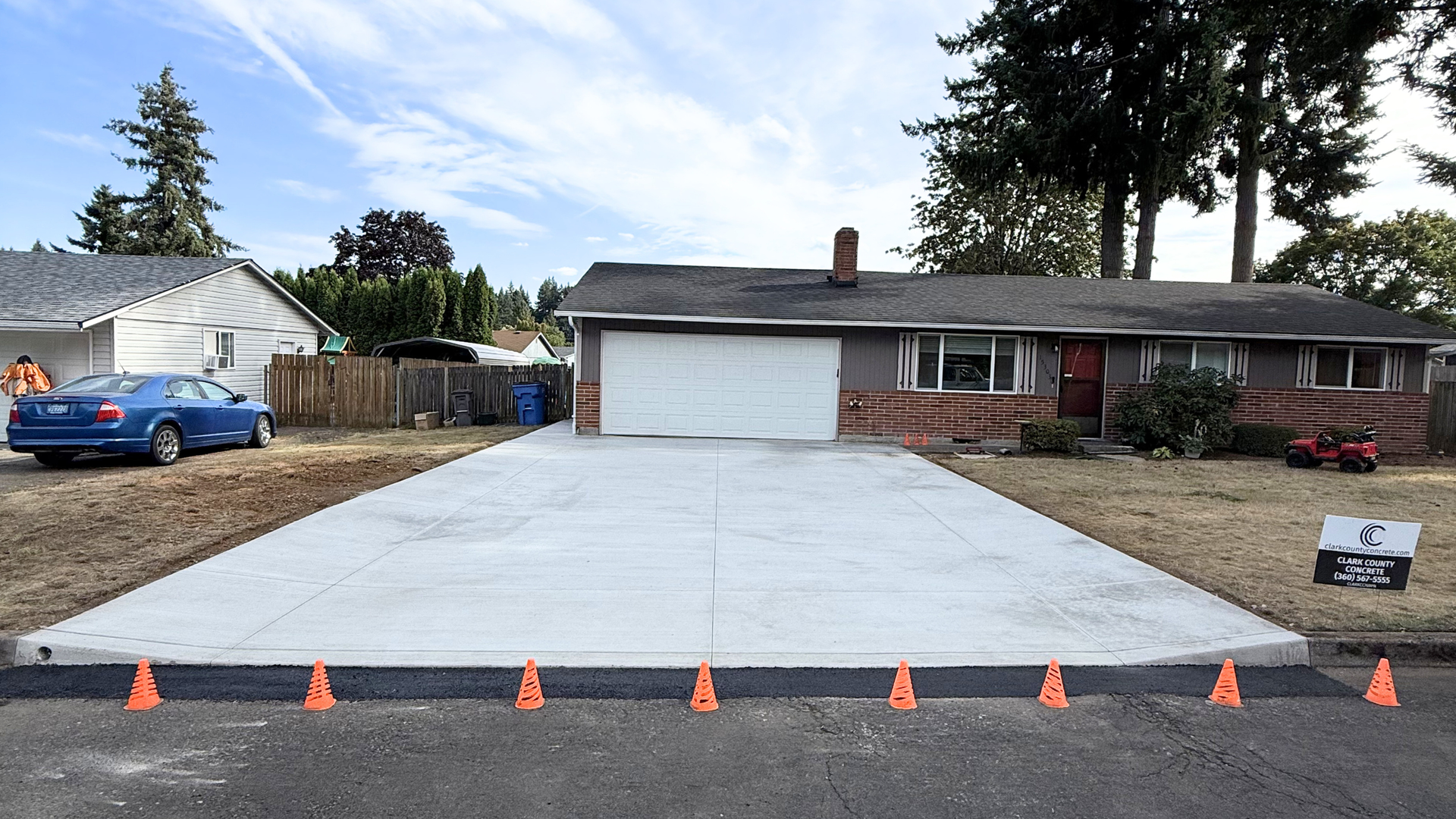
driveways,
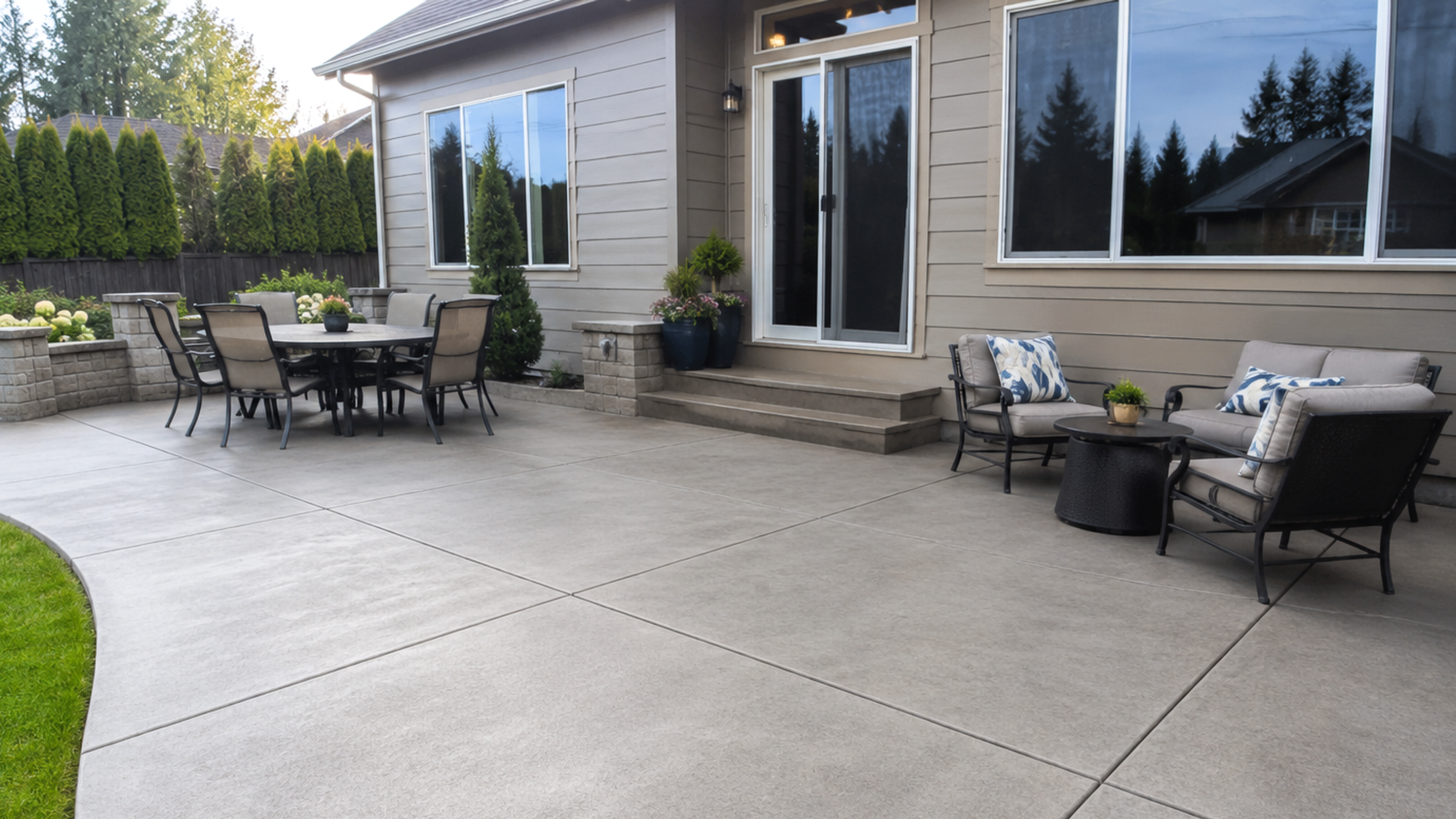
patios, and
slabs across Vancouver and Clark County with the preparation our climate demands. Reach out for a free estimate, and we will help you plan a project built to resist cracking from the ground up.