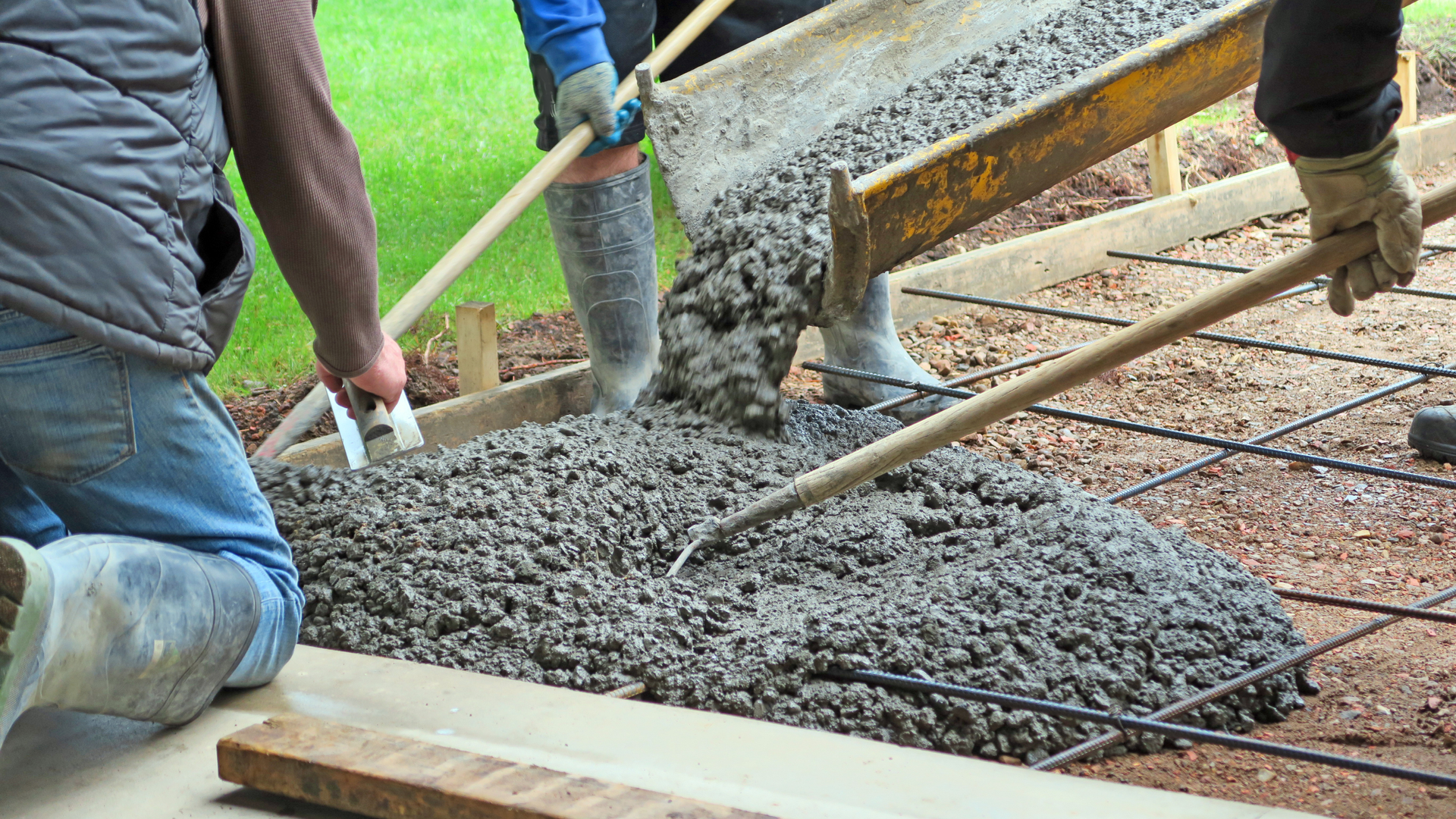
Can You Pour Concrete in Winter in Washington?
Yes, you can pour concrete in winter in Washington, but it takes the right methods and a crew that knows how to work with our cold, wet season.
Pouring concrete in winter in WA is not as simple as it is in July, yet it is done successfully across Clark County every year. The key is understanding what cold and moisture do to fresh concrete and taking the steps that protect the pour while it builds strength.
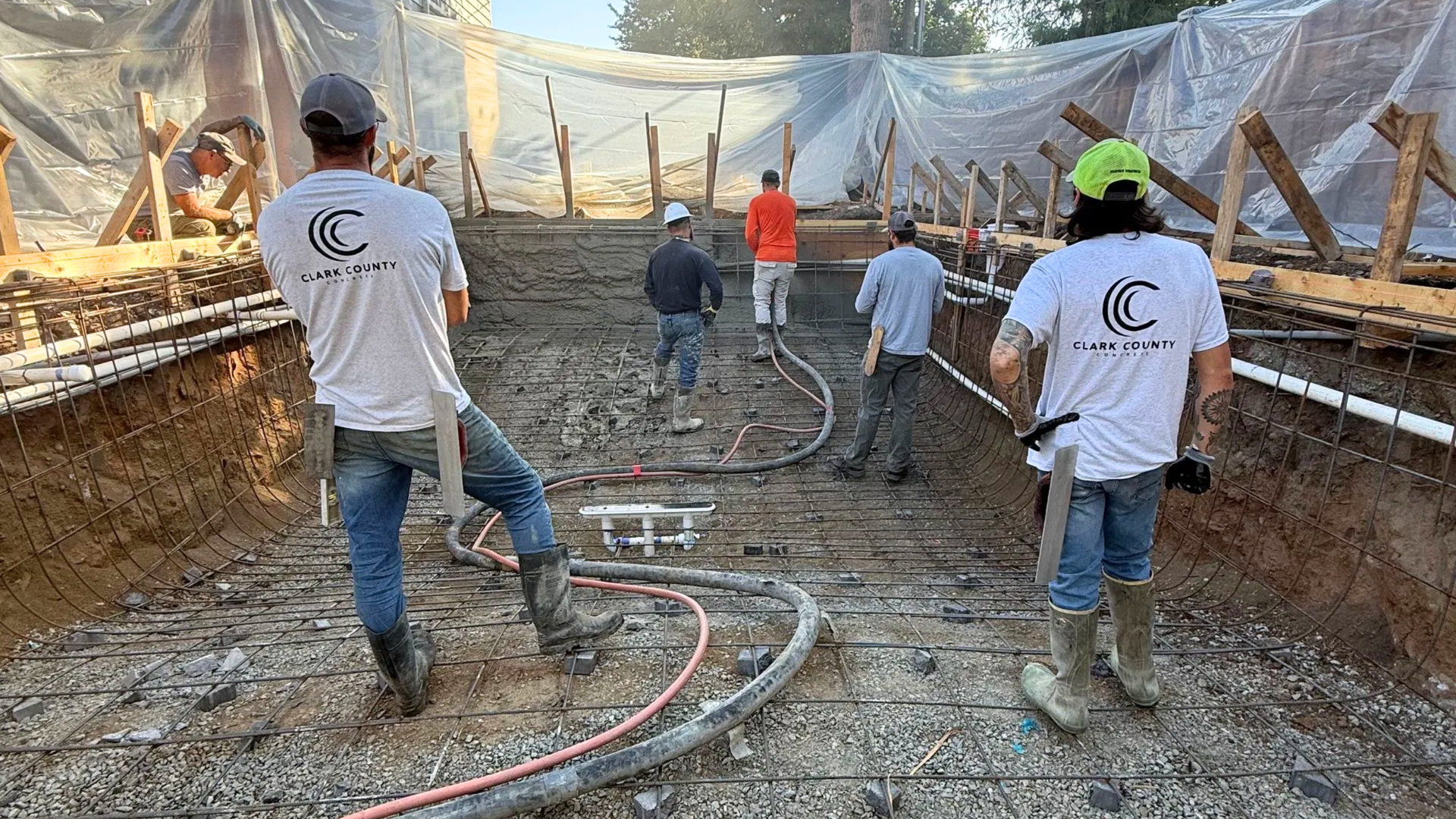
For many homeowners, this question comes up because a project cannot wait. A driveway has failed, a slab has cracked, or a build schedule lands in the off season. The good news is that winter does not have to mean poor results. With proper planning, cold-weather methods, and local know-how, a winter pour can produce a strong, lasting surface. This guide explains how.
Winter Is the Hardest Season, and That Is Worth Knowing
Our companion guide on the best time to pour concrete in Washington lays out why the dry summer window is ideal. Winter sits at the other end of that scale. It is the most demanding season for concrete work here, and being honest about why helps you plan a successful project.
Two forces make winter difficult in Southwest Washington. The first is cold. Concrete gains strength through hydration, a chemical reaction between cement and water that slows down as temperatures drop. The second is moisture. Our winters are wet, the ground stays saturated, and fog and rain are constant. Both forces are manageable, but only if they are planned for rather than ignored.
None of this means you should avoid a winter project. It means the crew has to do more, and you should expect a process built around protecting the concrete rather than just placing it.
What Cold Actually Does to Fresh Concrete
Temperature is the single biggest factor in how concrete cures. As the air cools, hydration slows. Below about 40 degrees, it slows sharply, and in deep cold it can nearly stop. That is why a slab poured in January without protection can sit for days barely gaining strength.
The bigger risk is freezing. Fresh concrete needs to reach a baseline strength, roughly 500 psi, before it can safely handle freezing temperatures. If the water in the mix freezes before the concrete reaches that point, it expands and disrupts the internal structure that gives concrete its strength. The result can be a slab that permanently loses a large share of its intended strength, sometimes close to half. The surface may look fine after it thaws, but the concrete underneath performs like a much weaker mix for the rest of its life.
This is the core reason winter pours require protection. The goal is simple: keep the concrete warm enough, long enough, to pass that early strength threshold before any hard freeze can reach it.
The Real Upside of a Wet, Humid Winter
Here is where our climate offers a genuine advantage, as long as it is understood correctly. In summer, one of the main challenges is the opposite of winter: hot, dry air pulls moisture out of the surface too fast, which can cause surface cracking known as plastic shrinkage cracking. Crews spend real effort keeping summer pours from drying out too quickly.
Winter in the Vancouver area flips that problem. High humidity, frequent fog, and cool air mean the surface loses moisture slowly. When concrete retains moisture during curing, hydration has the time it needs to complete, which supports good long-term strength. Industry curing guidance points to high relative humidity as a positive for curing precisely because it limits surface moisture loss.
The important distinction is this. The moisture in our winter air helps. The cold does not. A slow, well-protected cure in humid conditions can produce excellent concrete, but that outcome comes from keeping moisture in and keeping the cold out, not from the low temperature itself. A pour left cold and unprotected does not get stronger by curing slowly; it gets weaker or risks freezing damage. The advantage is real, but it depends entirely on protecting the concrete from the cold while letting the humidity do its part.
How Contractors Pour Concrete Safely in Winter
Professional crews follow established cold-weather practices, guided by standards like ACI 306, which defines cold-weather conditions as roughly three straight days with average air temperatures below 40 degrees. When those conditions are in play, the process changes in several ways.
Insulated curing blankets are the most common tool. Laid over the fresh slab, they trap the heat that concrete naturally gives off as it cures, keeping the surface above the danger zone. For colder stretches or enclosed spaces, heated enclosures hold warmth around the pour. Crews may also use heated mix water so the concrete arrives warm, and accelerating admixtures that speed up early strength gain so the slab reaches that critical threshold faster. Throughout, the aim is to keep the in-place concrete at or above roughly 50 degrees during the early protection period.
Timing within the season matters too. An experienced local crew watches the forecast and schedules pours during milder, drier windows rather than fighting a hard freeze or a downpour. In our climate, those workable stretches do appear through the winter, and knowing how to spot and use them is part of the craft.
The Ground Is Half the Battle in Winter
Cold air is only part of the challenge. In winter, the ground itself becomes a major factor. Concrete should never be poured on frozen ground, because as that ground thaws it shifts and can crack the slab above it. Saturated soil is nearly as problematic, and our wet winters keep the subgrade soft for months.
This is why preparation carries even more weight in the off season. A quality crew evaluates and prepares the base carefully, ensuring it is thawed, stable, and draining properly before any concrete is placed. Solid excavation and site preparation is often the difference between a winter pour that lasts and one that fails within a few seasons. Skipping or rushing this step in winter is one of the most common ways a cold-weather project goes wrong.
When a Winter Pour Makes Sense
Given the added effort, is winter ever the right call? For some homeowners, yes. If a driveway has failed to the point of being unusable, or a slab is needed for a project that cannot pause until summer, waiting is not practical. In those cases, a properly managed concrete driveway installation in winter is far better than living with a hazard for months.
There are also practical upsides. Winter is the slower season for many contractors, which can mean more scheduling flexibility and quicker start dates than the packed summer calendar. If your project is time-sensitive, that availability has real value.
It is fair to note that winter work can carry added cost. The blankets, enclosures, admixtures, and extra labor that protect a cold-weather pour add to the project, which is worth factoring into your budget. Our guide to concrete driveway cost in Clark County covers the broader pricing picture, and a winter timeline is a reasonable thing to discuss during your estimate.
Caring for a New Slab Through Winter
Protecting concrete does not end when the crew leaves. A slab poured in winter keeps curing for weeks, and the early period is when it is most vulnerable. Understanding a few basics helps you protect your investment.
Give it more time before use. The strength milestones you may have heard for summer do not hold in the cold. Curing slows with temperature, so foot traffic, and especially vehicle traffic, should wait longer than they would for a warm-weather pour. Your crew will give you specific guidance based on the conditions, but plan on a more patient timeline in winter.
Leave the protection in place. If curing blankets or coverings are down, they are doing important work. Resist the urge to pull them back early to check the surface. That protection is what keeps the concrete above the freezing danger zone during the critical first days.
Keep an eye on drainage. Our winter rain does not stop for a fresh slab. Make sure water is draining away from the new concrete rather than pooling against it or undermining the edges. Good grading, set during preparation, is what makes this work.
Watch for a hard freeze. A sudden cold snap in the first week is the main thing to guard against. A professional crew plans for this, but if you are managing any part of the project yourself, a forecasted deep freeze is a signal to add protection, not to hope for the best.
Winter Concrete at a Glance
The table below summarizes the main winter factors and how a professional crew manages each one.
| Winter Factor | Why It Matters | How a Pro Manages It |
|---|---|---|
| Cold air | Slows curing; freezing before ~500 psi can permanently weaken the slab | Insulated blankets, heated enclosures, heated mix water, accelerating admixtures |
| High humidity and fog | Slows surface moisture loss, which supports curing | Let it help; avoid over-drying, cure steadily |
| Saturated or frozen ground | Slab can shift or crack as ground thaws or settles | Evaluate, thaw, stabilize, and drain the subgrade before pouring |
| Short workable windows | Fewer dry, mild days to pour in | Watch the forecast, schedule pours in milder, drier stretches |
Frequently Asked Questions
Can you pour concrete in winter in Washington?
Yes. Winter is the most challenging season because cold slows curing and wet ground complicates preparation, but concrete is poured successfully across Clark County every winter. It requires cold-weather methods such as insulated curing blankets, heated mix water, and careful scheduling around milder, drier stretches, along with proper subgrade preparation. With those steps, a winter pour can produce a strong, durable surface.
What temperature is too cold to pour concrete?
Cold-weather practice, guided by standards like ACI 306, kicks in when average air temperatures stay below about 40 degrees for three straight days. Concrete can still be placed in these conditions with protection, but fresh concrete must be kept warm, ideally at or above roughly 50 degrees, until it gains enough early strength. The real danger is freezing before the concrete reaches about 500 psi, which can permanently weaken the slab.
Does concrete cure stronger in cold, humid weather?
The humidity helps, but the cold does not. High humidity and fog slow surface moisture loss, which supports good curing and strength. Cold temperatures, on the other hand, slow strength gain and, if the concrete freezes too early, can permanently weaken it. A strong winter slab comes from keeping moisture in while protecting the concrete from the cold, not from the low temperature itself.
Is it more expensive to pour concrete in winter?
Often, yes. The insulated blankets, heated enclosures, admixtures, and additional labor needed to protect a cold-weather pour add to the cost compared with a straightforward summer project. Many homeowners find the tradeoff worthwhile when a project cannot wait, and winter can also offer more scheduling flexibility. It is a good idea to discuss winter timing during your estimate so the plan and budget are clear.
Should I just wait until summer to pour concrete?
For most non-urgent projects, summer is the ideal window, as our seasonal timing guide explains. But if a driveway has failed or a slab is needed for a time-sensitive project, a properly managed winter pour is a sound choice. The right answer depends on how urgent the work is and how well the crew handles cold-weather conditions.
Plan Your Winter Concrete Project With a Local Team
So, can you pour concrete in winter in Washington? Yes, with the right methods and the right crew. Winter is the hardest season here, and honest planning matters: cold slows curing, freezing can damage a slab, and saturated ground raises the stakes on preparation. But none of that rules out a successful pour. Cold-weather protection handles the cold, our humid air actually helps the cure, and careful site prep keeps the ground from undermining the work.
The deciding factor is local experience. A crew that understands Clark County winters knows how to protect a pour, prepare a wet subgrade, and time the work around the weather. If your project cannot wait for summer, the team at Clark County Concrete can help you do it right. Request a free estimate to talk through your timeline and get a plan built for the season you are in.